News Release: Nine in Ten British Columbians Say Fresh Water is a Matter of National Security
September 16, 2026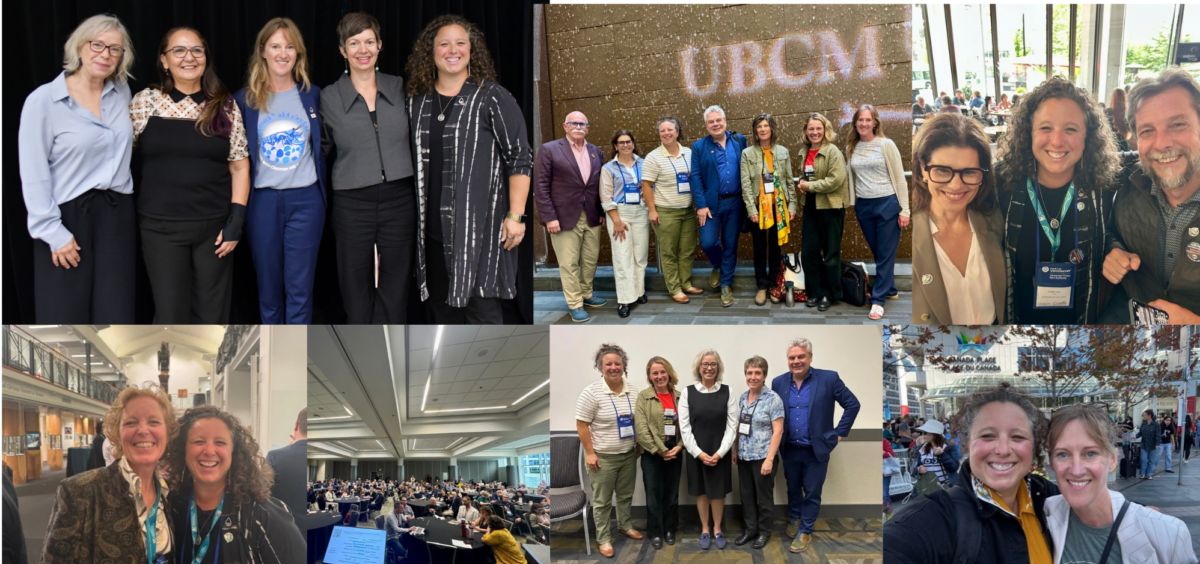
UBCM 2026: Momentum Is Building for Watershed Security in B.C.
Reflections from Coree Tull, Chair, BC Watershed Security Coalition
UBCM has wrapped up, and one thing was clear throughout the week: watershed security is becoming an increasingly visible and consistent priority for local governments across B.C.
From resolutions and policy discussions to meetings with ministers and conversations between mayors and councillors, watershed security was part of the conversation in communities from across the province.
There is a real sense that momentum is building.
I had the privilege of kicking off the week representing the Watershed Security Coalition at a session on Sustaining Local Watersheds: Building Community Prosperity Through Collaboration and Reconciliation, alongside Water Land and Resource Stewardship Minister Randene Neill, First Nations Water Caucus co-chair Lydia Hwitsum, District of Lake Country Councillor Tricia Brett and Regional District of Central Kootenay Sustainability & Resilience Supervisor Paris Marshall Smith.
Nearly 150 people joined us for an informed and engaged discussion about what it will take to build a different water future for B.C.
Four messages in particular stood out.
- We can’t keep reacting
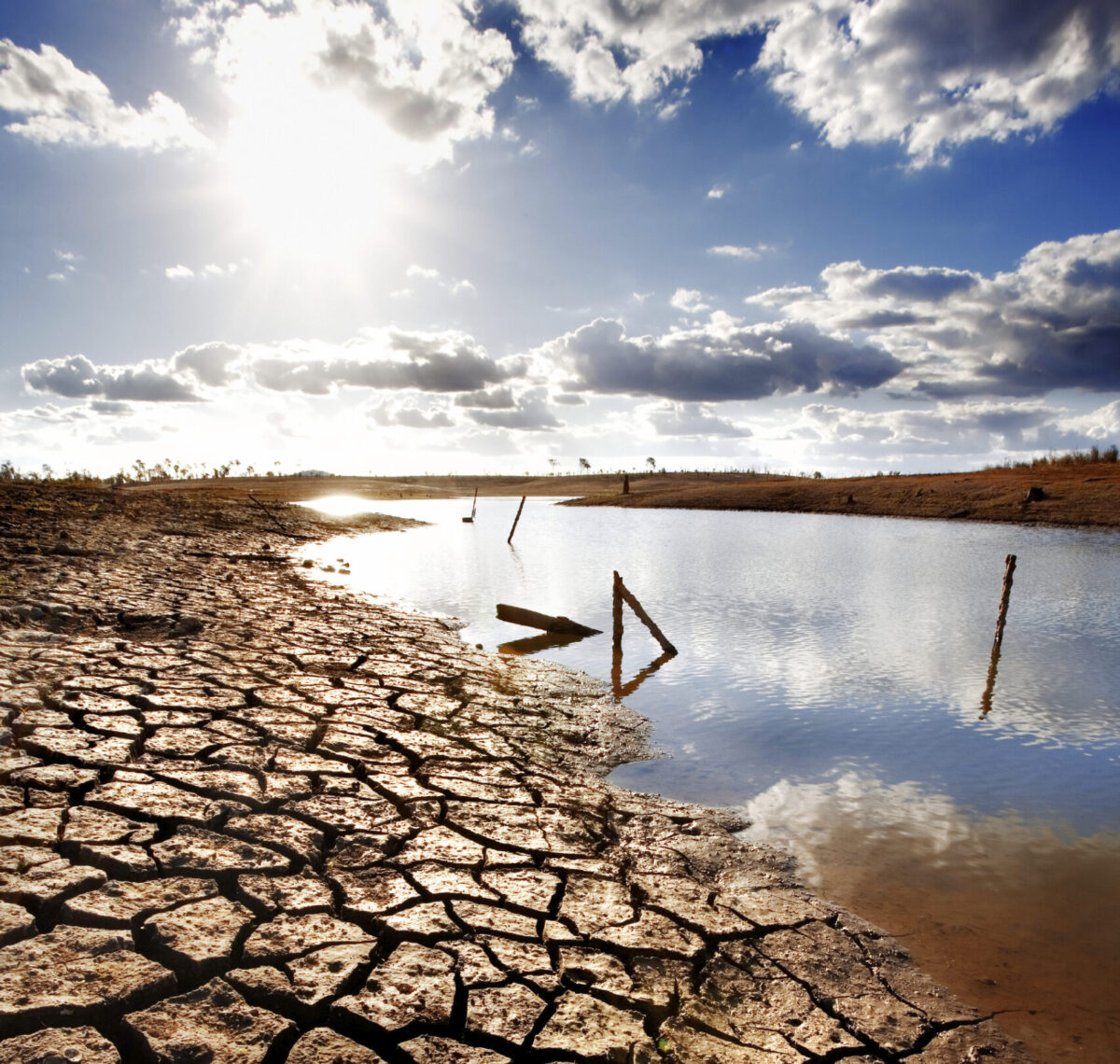
Drought, water scarcity and competing demands for water are not new challenges. What is changing is their scale, frequency and cost. Communities are already seeing the impacts, from water restrictions and threats to drinking water supplies to impacts on agriculture, fisheries, infrastructure and local economies. Our watersheds are core infrastructure. Watershed security is economic security, food security and community prosperity. We have an opportunity to break the cycle of simply getting better at managing the next crisis and instead invest in the planning, monitoring, restoration and governance that can help prevent crises in the first place. At some point, leadership means deciding to do things differently. - We need a watershed security lens
Watershed security cannot be another silo sitting alongside everything else. It needs to become part of how we make decisions. When communities are planning housing, agriculture, infrastructure, land use or economic development, water needs to be part of the conversation from the beginning.- Do we have the water?
- What are the risks?
- What are the cumulative impacts?
- What information are we missing before we move forward?
if we do not ask those questions early, the costs and conflicts do not disappear. They show up later, when our options are fewer and more expensive. A watershed security lens is about making better decisions earlier.
- Local leadership needs provincial support
One of the strongest messages from the session and UBCM was that communities are already leading, but sustainable funding and resources are critical. Local governments and community partners are developing collaborative approaches, restoring watersheds, building relationships and finding practical solutions to increasingly complex water challenges. But they are doing this while facing limited capacity and, in many cases, limited tax bases. And watershed challenges rarely stop at municipal boundaries. Local leadership is essential. But it needs to be matched with the authority, tools, funding and sustained investment required to succeed. That means continuing to build the provincial policy and funding framework that allows local solutions to grow and be sustained. - Relationships & Collaboration are critical
The time to build relationships, share information, recognize rights and jurisdictions, establish shared priorities and determine who needs to be at the table is before there is a crisis. When water is scarce, and communities are under pressure, it becomes much harder to build trust and find solutions if those relationships do not already exist. This is also where reconciliation becomes practical: through relationships, recognition of rights and jurisdictions, shared priorities and meaningful participation in decision-making. We heard very clearly that this work is already happening in communities across B.C.
The opportunity now is to learn from the work and leadership in communities, invest in it and scale what works across the province. Local leadership is moving the conversation forward, and I saw that leadership continue throughout the entire UBCM week.
Two important watershed security resolutions passed at UBCM, including the District of Lake Country’s call to modernize industrial water rates and the Sunshine Coast Regional District’s call for a system of local watershed boards.
These resolutions are an important signal that local governments want to see action on these issues.
The Watershed Security Coalition also launched the Watershed Security Pledge for local government candidates, giving candidates across B.C. an opportunity to show their support for practical watershed solutions in their communities.
And throughout the week, Coalition members and local government champions carried these priorities into conversations with ministers, mayors and councillors from communities across the province.
That leadership continued right through to the final day and last question of UBCM, when the Premier was directly asked about modernizing industrial water rates and generating the investment needed for critical watershed work in communities.
Premier Eby acknowledged that B.C.’s rates are very low and the importance of reviewing and increasing them, alongside the need for dedicated funding to support communities.
That matters. Local leaders and watershed champions have been consistently raising these issues and demonstrating that communities are ready to act. They are building partnerships, developing new approaches and demonstrating what is possible.
The opportunity now is for the Province to support that leadership with the tools, funding and policy needed to turn local solutions into lasting change.
A huge thank you to the Watershed Security Coalition members, local elected officials and watershed champions who are doing this work every day, both in their home communities and across the province. You are keeping watershed security on the agenda, bringing practical solutions forward, and showing what leadership looks like.
The momentum is building. The work now is to turn it into action.